Arizona House of Representatives
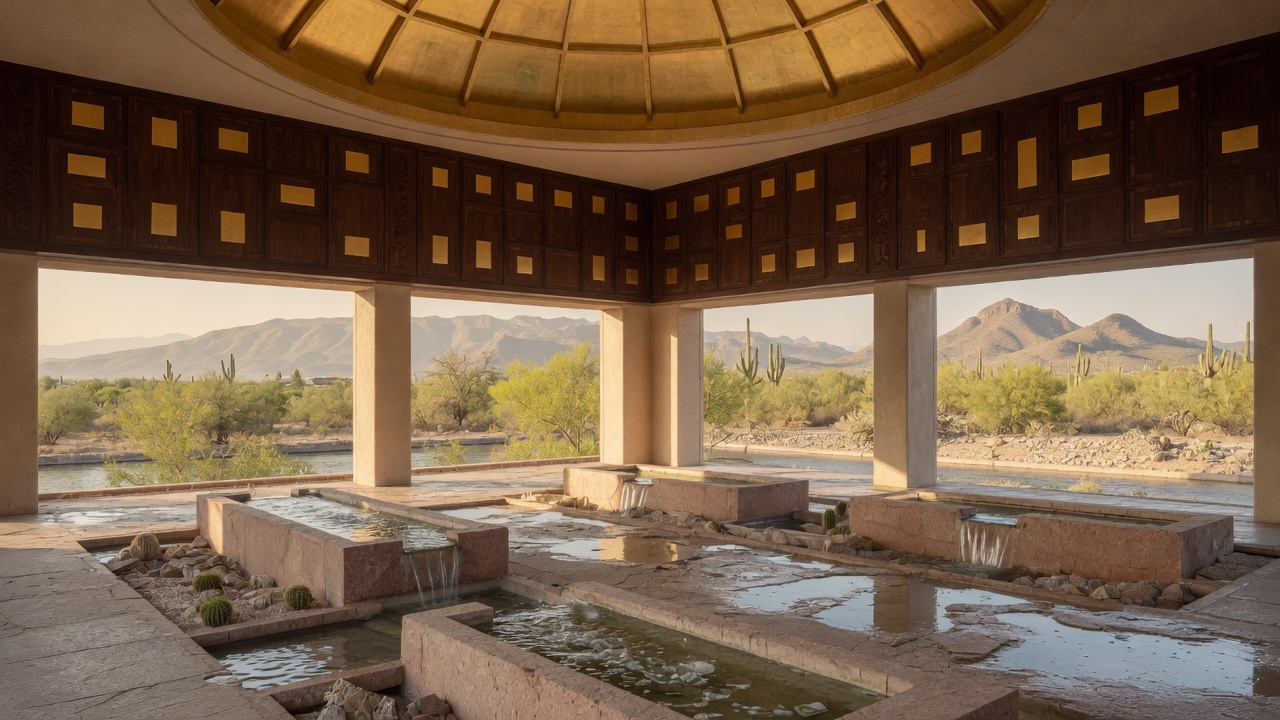
Arizona House of Representatives · educational cover · Greek Orthodoxy civic grammar · American Future Type
Sixty desks, two names on each map
The Arizona House of Representatives is the lower house of the Arizona Legislature. Sixty Representatives. Article 4 of the Arizona Constitution builds the Legislature in two houses. The Independent Redistricting Commission draws thirty legislative districts. Each district hires two Representatives and one Senator. That two-member House map is Arizona. It is not Alaska’s forty numbered singles. It is not California’s eighty Assembly districts. Confirm the live count and the members of record on azleg.gov — House.
The term is two years. Arizona does not stagger this chamber. All sixty seats stand every even year. The next regular election is Tuesday, November 3, 2026. Do not import Alaska’s half-chamber letters. Do not import Alabama’s four-year all-up clock as if the term were four.
This is not a United States House seat. Arizona sends nine Representatives to Congress on a two-year clock. Those files live under U.S. House. This chamber does not vote in Congress, does not sit in Washington, and does not split a federal district.
This is not the Arizona State Senate. Thirty desks — one per district — is a different house. This is not the Governor. This is not the Attorney General. This is not a Mayor.
Phoenix is the capital and the largest city. That coincidence is not a license to treat the Valley as the whole state. Tucson is not the capital. Flagstaff, Yuma, the border, the Navajo Nation and the other nations and tribes, the Colorado River counties, and a high-country precinct that never makes a Maricopa broadcast hire this chamber — thirty maps, sixty desks.
Arizona is fifteen counties. Maricopa is the most populous. It is not the map. A House district is not the whole state. Seat packets, when they ship, teach this district. This page teaches the chamber.
The House elects its own Speaker. The Lieutenant Governor does not gavel this floor. Do not treat a news comment as the roster. Confirm officers on azleg.gov.
A Representative has two homes. Phoenix for the session. The district for the people who hired the seat. The seat also has a desk-mate — the other Representative elected from the same thirty-district map. Staff who only know Washington Street, or only know a Tucson campus as the whole state, are not doing the job. The Mayor of Phoenix is a different office (Mayor of Phoenix).
This page is Side One: inform, educate, inspire. It is not the race, not legal advice, and not an official government notice. For this cycle, use the election twin.
Confirm the Representatives of record on azleg.gov.
Article 4, four consecutive terms, then a sit-out
Article 4, Part 2, Section 21: members of succeeding legislatures hold office two years. No state Representative shall serve more than four consecutive terms in that office — eight years — then a sit-out of at least one full term. That cap is a clock, not a crown for the next name. Consecutive-term math belongs on the official roster, not on a thread. A sit-out in the House does not bar a run for the Senate, and the reverse, where the constitution actually allows it. Always verify the current text.
Qualifications sit in Article 4, Part 2, Section 2: a citizen of the United States at election, at least twenty-five, a resident of Arizona three years, and of the county from which elected one year. Legislative districts now cross county lines; always verify how that residency clause is applied on current law. A Representative here is twenty-five, not Alaska’s twenty-one. This page is teaching, not a filing packet.
Arizona’s constitution does not force revenue bills to originate in this House. Bills may start in either chamber. Do not transplant a federal origination clause onto Washington Street. Confirm the current text of Article 4.
Regular session convenes the second Monday in January. The working clock is often taught as about one hundred days. A missed week is a real cost. Winners of a November election take the oath on the first day of the session after they are elected — not midnight of election day, not December.
Vacancies: filled as Arizona statute actually provides (county boards of supervisors, same party where that statute reaches). Confirm on azleg.gov and the Secretary of State. Do not invent a holdover.
The House is the judge of the election, returns, and qualifications of its own members. That is not a court file and not a campaign objection on social media.
Standing committees — Appropriations; Judiciary; Ways and Means; Natural Resources, Energy and Water; Government — are how the work is actually cut. Confirm the current roster on azleg.gov.
The hopper on Washington Street
The official legislative door is azleg.gov. ALIS is the ledger. House bills generally begin at H.B. 2001. Bills, amendments, committee notices, and the member of record belong there — not on a forwarded screenshot. Session calendars and today’s schedule are posted on that site.
The official election door is the Arizona Secretary of State — Elections. Registration, ballot status, and the sample ballot belong on the Secretary of State and the county recorder in this county — fifteen of them.
Staff who only know a Facebook page are not doing the job. A constituent who was told “you can vote by text” was not told the truth until a .gov page says otherwise. Arizona runs a partisan primary. Confirm the live instruction on the Secretary of State.
Redistricting of this map is the Independent Redistricting Commission, not a legislative self-draw. That is Arizona’s hinge. Maps get litigated. Treat a court order and a stay as clocks. Confirm which map a given election actually used on the Commission and the Secretary of State.
The people also reserved initiative and referendum (Article 4, Part 1). A House statute can still face a referendum clock. Ninety days after session close is that door unless the act is an emergency or an appropriation the constitution actually excepts. Confirm on the Secretary of State.
This House files the articles; the Senate sits as court
Article 8, Part 2: the House of Representatives has the sole power of impeachment. A majority of all the members is necessary to impeach. The Senate tries. The chief justice of the supreme court presides. Conviction takes two-thirds of the senators elected. Judgment extends only to removal and disqualification. That split is Arizona. It is not a trial in superior court. It is not the Attorney General’s docket (Attorney General of Arizona). Do not teach a federal impeachment as this file. Do not teach Alaska’s reverse (Senate originates, House tries) as this file.
Equal protection on this map is not a Maricopa-only file. A border precinct, a Navajo Nation chapter, a Yuma farm, and a Flagstaff winter hire the same Constitution. A district that never makes a Valley broadcast still sits in this chamber. The U.S. Attorney and a superior-court judge are not this Representative.
A desert fountain is civic architecture on this ground. It is not a lake that isn’t there. It is not an ocean. Phoenix is inland. Teach the land that is actually here.
Each house judges its own members. Expulsion is this constitution, not a comment section.
Canal water is a statute, not a font
Care this office actually gives is a bill and an oversight hour, not a church. Do not invent a ministry. A monsoon flood in the Valley, a wildfire on the Mogollon Rim, a canal break, a drought year on the Colorado — those land as appropriations, emergency statutes, and questions to agencies the Governor runs.
Rural hospitals, a state prison, Medicaid as state policy, the National Guard in state status: the House does not command the Guard (the Governor does). It writes and oversees the statutes those desks live under. Chaplaincy that exists in a prison or a Guard unit is that department’s staffing. It is not this page’s pulpit. The gold geometry on this cover is civic grammar. It is not a parish substituting for the Legislature.
Two members, one district, one apprentice path
The Legislature’s own shops — bill drafting, fiscal notes, the Legislative Council, ALIS — are how the work is actually learned. Page, intern, and session-staff openings belong on official legislative and university civic pages, not on a campaign site. A student who wants the civic path confirms those doors on .gov and campus postings.
A two-member district is how a student learns that a lower-house map can still be shared. Ways and Means is how a student learns a tax bill. The Chief Clerk’s office is how a student learns a calendar. County recorders, the Secretary of State’s Elections Division, and the Independent Redistricting Commission are how election and map work is learned. Maricopa is a county. It is not this chamber. A law-school clinic that files in Phoenix still files in a court, not in a House committee.
Groundwater, heat, and the hundredth day
Census and the Commission’s map. Groundwater and the Colorado as state files, not slogans. A hundred-day session clock. A monsoon warning. A wildfire year on the Rim. A canal outage. Committee attendance. Two names on the same district who still owe this map, not each other’s press shop. Dockets that a bill would actually change.
That is situational awareness for this chamber. It is not spy fiction. It is not a Mayor’s night radio. It is not the Attorney General’s case map. It is not a U.S. House whip count.
Fifteen counties, thirty maps, sixty inboxes
The inbox is a state inbox split sixty ways across thirty maps: a capital file from Phoenix that is not Tucson; a Maricopa Valley file that is not the whole state; a Pima file from Tucson that is a city-and-desert file this chamber still holds as state work; a Coconino high-country file from Flagstaff; a Yuma farm-and-border file; a Cochise and Santa Cruz border file; a Navajo and Apache file that includes Nation land; a Mohave and La Paz Colorado-River file; a Pinal growth file; a Gila / Greenlee / Graham copper-and-mountain file; and a Yavapai file that never makes a Valley broadcast.
The Colorado, the Gila, the Salt, and the Verde are this hydrology. A Pacific postcard is not this land. An ocean is out of place. California is a different state. New Mexico is a different state. Utah is a different state. Sonora is a different country. The border is real. It is not a license to treat a Yuma precinct as another state.
Staff who only know the Valley, or only know Tucson as Arizona, are on the wrong office.
Place snapshot (verify official sources)
- State: Arizona · Office: House of Representatives · 60 seats
- Map: 30 legislative districts · two Representatives each (plus one Senator)
- Term: two years · not staggered · all seats every even year
- Term limit: four consecutive terms (eight years), then a sit-out
- Next regular election: 3 November 2026 — all 60
- Take office: first day of the session after election (second Monday in January)
- Speaker: elected by the House — Lieutenant Governor does not preside
- Impeachment: this House has sole power; Senate tries (Art. 8, Part 2)
- Capital: Phoenix — not Tucson
- Counties: 15
- Map drawer: Independent Redistricting Commission
- Always verify the Representatives of record on azleg.gov
Orientation adapted from the Arizona Constitution, azleg.gov, and Arizona official election sources for education. The Representatives of record are whatever the official site says today.
What this is not
- Not a United States Representative (nine congressional districts; two-year terms — U.S. House).
- Not a United States Senator (Class I is 2030; Class III is 2028). No 2026 U.S. Senate race.
- Not the Arizona State Senate (30 seats — a different chamber; Arizona State Senate).
- Not the Governor of Arizona. Not the Lieutenant Governor (this House elects its own Speaker).
- Not the Attorney General of Arizona.
- Not the Mayor of Phoenix or Tucson.
- Not Nebraska. Nebraska has no lower house.
- Not New Mexico. Not California. Not Utah. Not Sonora.
- Not Tucson as the capital. Not the Valley as the whole state.
- Not a campaign flyer. This page does not tell anyone who to vote for.
Official doors
- Arizona Legislature — House
- Arizona Legislature
- Arizona Secretary of State — Elections
- Independent Redistricting Commission
- Office of the Governor (not this chamber)
The arena: 2026 election — Arizona House of Representatives
All State Houses · State Senate · Governor · U.S. House · Legal