Burt County, Nebraska: Local Government and Civic Life
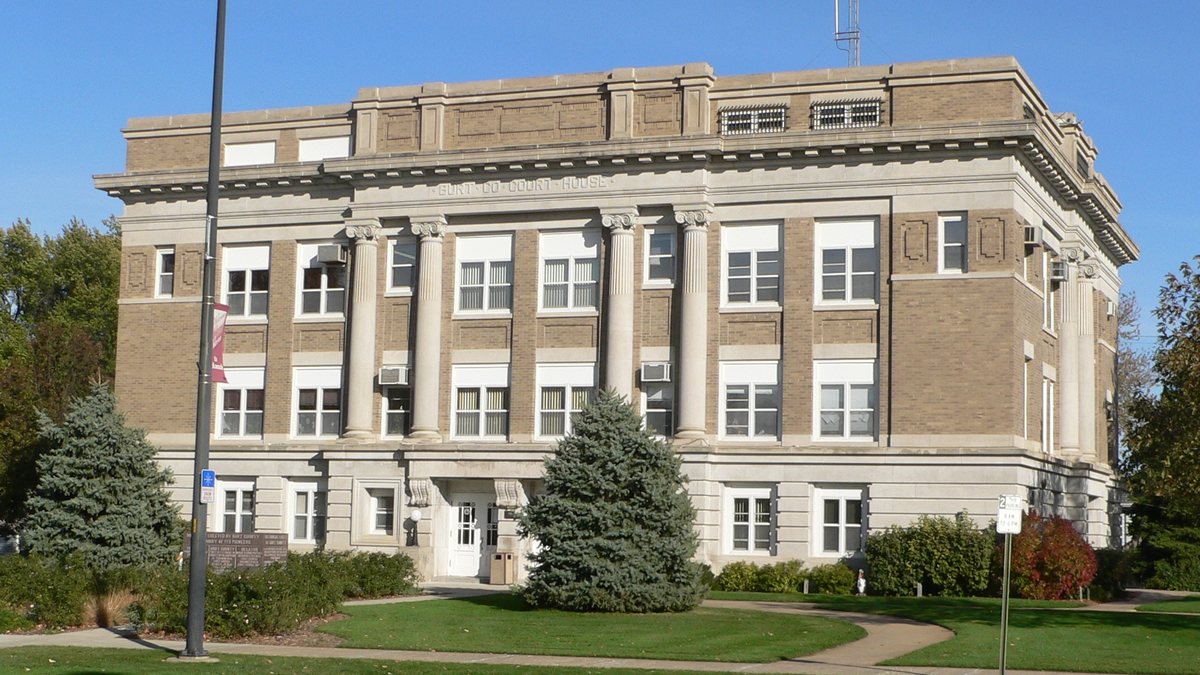
Burt County, Nebraska — Chimney Rock Nebraska
Introduction
Burt County, Nebraska is a real American local jurisdiction—not a generic placeholder. Residents and property owners interact with local offices for property records, courts, public health, elections support, roads, emergency coordination, and related services that shape daily life.
This educational briefing orients readers to this place’s civic landscape using published geographic and historical background on Burt County, then connects that place story to how local government works in Nebraska and the United States.
This page is not legal advice, not an official government notice, and not a substitute for the jurisdiction’s own website, ordinances, or elected officials. Structures vary by state: counties, parishes, boroughs, census areas, municipalities, and consolidated city-county forms each work differently.
Famous Feature of Burt County
Famous Feature of Burt County, Nebraska: Chimney Rock Nebraska
Chimney Rock Nebraska is among the place-linked landmarks people associate with Nebraska and the wider region around Burt County—useful orientation when exploring maps, travel, and local history alongside civic offices.
Landmarks help readers orient maps and memory; official local government websites remain authoritative for laws, fees, and elections.
Place snapshot
Burt County is a county in the U.S. state of Nebraska, bordering the west bank of the upper Missouri River. As of the 2020 census, the population was 6,722, and was estimated to be 6,678 in 2025. The county seat and the largest city is Tekamah.
Background adapted from the English Wikipedia article “Burt County, Nebraska” for educational orientation. Always verify population, boundaries, offices, and statutes with official .gov and local government sources.
Local government in Nebraska
In Nebraska, county (or equivalent) governments typically handle property records, local courts support, roads in unincorporated areas, public health partnerships, and aspects of elections administration—exact powers depend on state law and local charters.
When you need a deed, tax statement, court date, building permit, or ballot calendar for Burt County, start with the official Burt County site and the Nebraska state portal. Parallel city or town websites may control zoning, police (where municipal), and utilities.
State library hub: Nebraska counties overview · All U.S. counties
In the United States system
Across the United States, counties (and equivalents such as parishes and boroughs) are where many Americans meet government face-to-face: recording property, serving on juries, voting in local races, and calling for emergency services. Burt County is one jurisdiction in that national pattern—not a generic template.
Federal and state law set the outer rules; local boards, courts, and administrators decide budgets and day-to-day service levels. That is why two counties in the same state can feel very different even when office names look similar.
For national orientation, see the America and USA libraries, the United States Precinct Map, and the American Justice Party platform on remedy, relief, service, and process.
Interesting points and conversation topics
Useful angles when people discuss Burt County, Nebraska:
- Population scale — about 6,722 residents appear in published census summaries; size affects courts, roads, jails, and public-health capacity
- Largest community noted — Tekamah may differ from the seat; services can span multiple cities and unincorporated areas
- Geography & risk — terrain and waterways around Burt County influence flooding, fire, tourism, agriculture, and emergency planning
- Who does what — county/equivalent offices vs. cities, towns, school districts, and special districts serving Burt County, Nebraska
- Verify on official sites — agendas, budgets, election calendars, and ordinances for Nebraska and local governments—not social media alone
- United States context — counties and equivalents are the everyday face of American local government for records, courts, and public safety
Going deeper without getting lost
- Open the official website for Burt County and the Nebraska state portal.
- Identify the elected board, executive, or parish/borough leadership.
- Map the offices you need: clerk/recorder, assessor/tax, sheriff or public safety, health, planning/zoning, elections.
- Prefer primary documents (agendas, minutes, budgets, sample ballots) over social posts.
Questions worth asking
Who decides? Who pays? Who is served? When is the next public meeting? What document is authoritative? Questions like these turn passive searching into civic skill.
Sheriff elections: Sheriff election guide for Burt County — office role, voter process, and where to verify official ballots.
Closing
Whether you live in Burt County, Nebraska, own property there, do business there, or are studying American local government, treat official sources as the first stop. The American Justice Party emphasizes remedy, relief, service, and process—the same discipline applies at the local level across the United States.
Summary
- Burt County, Nebraska is a local jurisdiction in Nebraska with its own offices, geography, and civic patterns.
- Place background here draws on published summaries (Burt County, Nebraska) plus general local-government literacy for the United States.
- Office names and powers vary by state law and local charter.
- Always confirm filings, taxes, courts, and emergencies on official channels.
- Explore the full Counties library, Sheriff Elections, America, and USA libraries.
Category: Counties · Nebraska · United States · Educational briefing for readers of typhoon.theamericans.us. Verify official actions with the jurisdiction’s official website or applicable .gov sources.