United States Map Guide: Borders, Regions, and Spatial Literacy
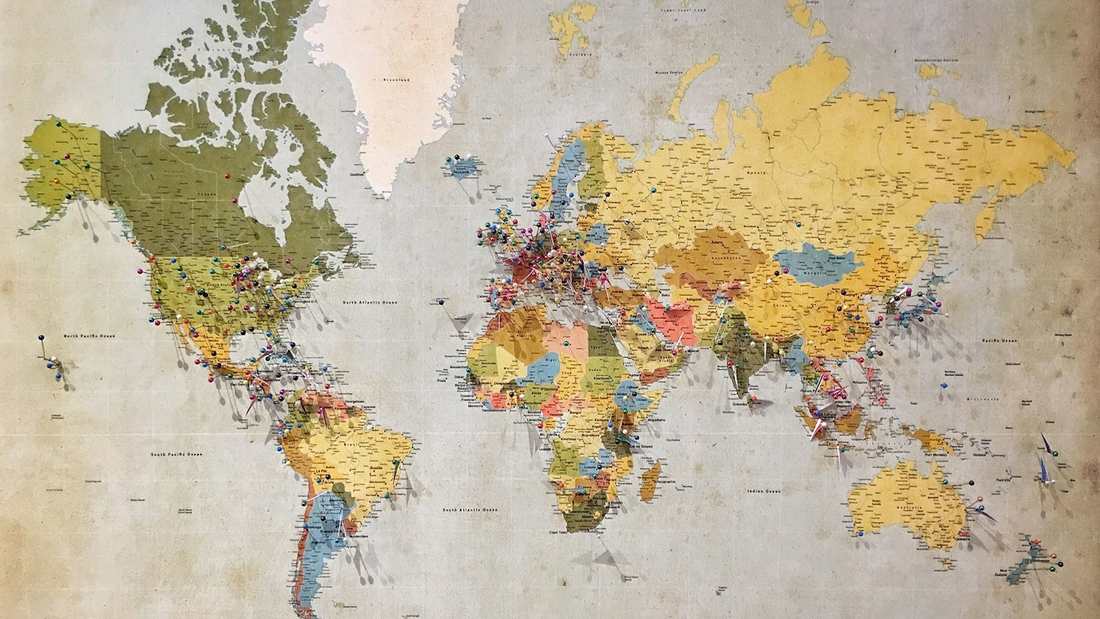
Introduction
Searches for United States Map usually signal a need for orientation, not just a one-line definition. Readers want to know how the topic fits into American life—whether through government, geography, sports, foreign policy, or culture. This briefing is written for a general audience: clear language, careful framing, and no substitute for official notices when decisions depend on law or safety.
Because United States Map can trend for different reasons on different days, the best habit is to separate evergreen background from breaking claims. Start with reputable institutions and established reporting, then add commentary. That approach protects you from rumor cascades while still keeping you informed.
Interesting Points and Topics of Conversation
When people discuss United States Map in the USA, these themes often surface:
- Choosing a clear United States map for education or operations
- Political boundaries versus cultural and economic regions
- Disaster and weather overlays that make maps operational tools
- Teaching spatial literacy as a civic skill
How to talk about it productively
Use shared definitions first. Ask what would count as evidence. Notice when a conversation about United States Map has shifted from facts into identity conflict. Productive dialogue is still possible when participants agree on sources and timelines.
Useful questions
Who has authority over outcomes related to United States Map? What is confirmed versus alleged? Which communities feel the impact first? How do maps, data, or primary documents change the story? Questions like these turn a keyword into civic skill.
Closing
Treat United States Map as a doorway into broader American understanding—institutions, people, and responsibilities. Keep learning, verify before you share, and remember that democratic self-government depends on an informed public. The American Justice Party’s emphasis on remedy, relief, service, and process is also an information discipline: clear steps, honest status, and respect for people affected by decisions.
Summary
- United States Map attracts wide interest across news, maps, sports, and policy.
- Prioritize primary sources and careful wording during fast news cycles.
- Geography and institutions often sit behind simple USA keyword searches.
- Productive conversation needs shared facts and good questions.
- Continue with related USA and America library pages for deeper context.
Category: USA · Educational briefing on typhoon.theamericans.us. Verify official actions on official .gov sources when applicable.