2026 Election — Alaska House of Representatives
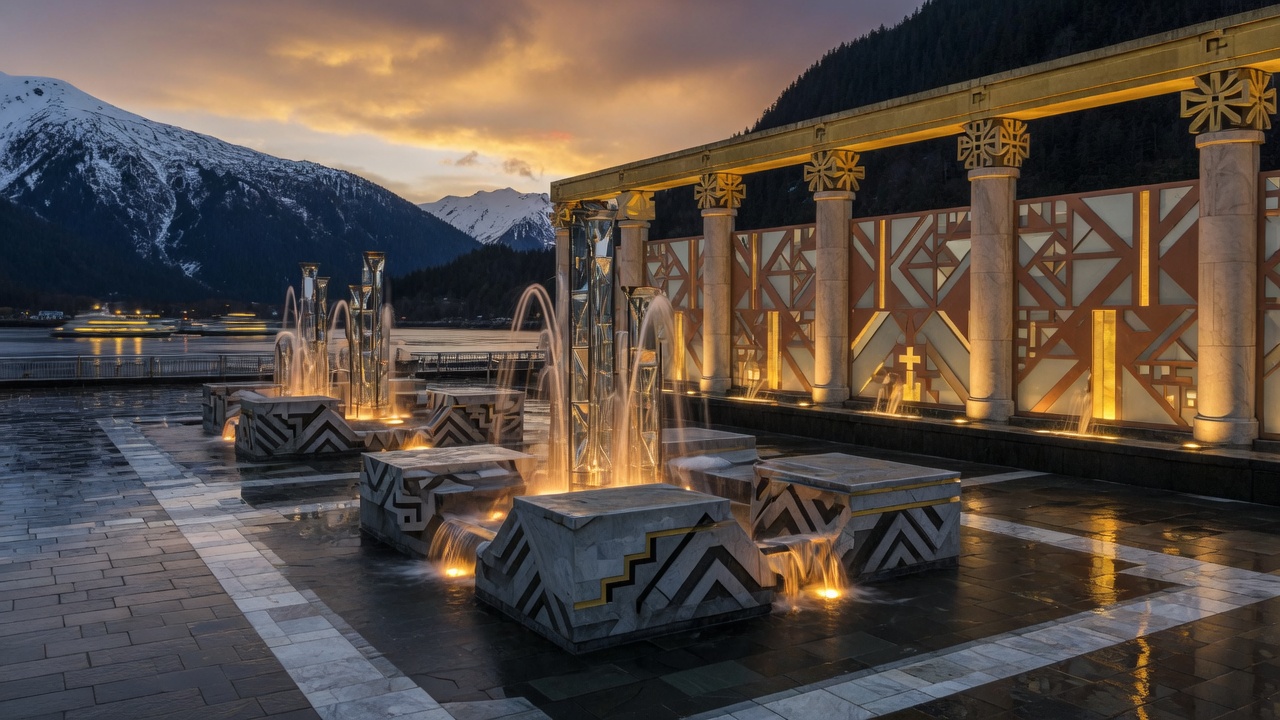
Alaska House of Representatives · 2026 · educational cover · Greek Orthodoxy civic grammar · American Future Type
Arena for all forty numbered seats
This page is the arena for this chamber, this cycle. Unique teaching for the job lives on the office twin.
It is not a campaign. It does not crown a winner. It does not tell you who to vote for. Names belong on the official sample ballot.
The smallest house stands together
- Election Day: Tuesday, November 3, 2026
- Alaska held its top-four primary 18 August 2026. Filing closed 1 June 2026.
- All forty House seats stand. Districts are numbered 1–40. This chamber is not staggered. Do not invent a 2026 race for a Senate letter that is sitting out. Ten Senate odd letters are a different desk, same Tuesday.
Confirm leftover dates, any special, and the sample ballot on the Division of Elections.
This is a regular House election for the whole chamber. It is not a U.S. House race (Alaska’s one at-large congressional seat is a different desk). It is not a U.S. Senate race. Alaska’s 2026 Senate race is Class II. It is not the Governor race, though Alaska’s Governor is also on 2026. It is not the State Senate — that is ten of twenty, a different chamber, on the same Tuesday.
The 2026 sitting already ran 20 January toward 20 May. November is the hire for the next two years, not a re-run of that sitting. Confirm remaining specials on the Division of Elections. This page does not name candidates and does not declare a map winner.
Do not transplant Alabama’s four-year House. Do not invent a Nebraska House — Nebraska has no lower house.
The ranked-choice card is the list
Do not take names from a news comment or a text thread.
- Official candidate list / sample ballot — elections.alaska.gov
- Your regional elections office (Alaska is not sixty-seven county boards)
- Current Representative of record (not the same thing as the 2026 nominee) — akleg.gov
- Registration and ballot status — Division of Elections voter tools
If a site and the official sample ballot disagree, the sample ballot wins. Rank the card the way the official instructions say. Do not teach a Lower-48 runoff as this clock.
Hiring a two-year desk off the road
You are hiring forty Representatives for Alaska — two years, the people’s house of state law, the smallest lower chamber in the country, a 120-day session in a capital that is not on the road, a numbered district that is not the whole state. Read the chamber page before you read a mailer. This is not a U.S. House seat, not a State Senator, not a Governor, and not a Mayor.
Winners take office in January 2027 — after a gubernatorial year, the third Tuesday in January. Confirm AS 24.05.080 and akleg.gov. That is Alaska’s clock. It is not midnight of election day.
A grievance flies to Juneau as paper
A resident who was mistreated by a state agency, a money bill that never moved, or a district office that would not answer files on official doors: the Representative’s district office, the committee of jurisdiction (often Finance or Judiciary), the Alaska Public Offices Commission where that statute actually reaches, the courts, and — for election process — the Division of Elections. A Facebook thread is not a grievance. A Bush rumor is not a filing.
Professional standards for a state employee sit with that agency and with the law the House actually wrote. The Attorney General is appointed. The House is not that complaint box. Impeachment, when it is actually this constitution’s file, originates in the Senate and is tried in this House — the reverse of most states. Send people to akleg.gov and elections.alaska.gov.
After breakup ice and a smoke year
Relief this chamber actually votes is a statute and an appropriation. A fire year in the Interior, breakup ice on a river that was a road in winter, a Marine Highway drydock, a village clinic that travels by plane — mutual aid and emergency years still run through the Governor’s desk first. The House’s hour is the bill that funds the year after, the Finance question that asks whether the money moved, and the fishery or clinic statute that was already on the calendar.
Ketchikan is Alaska. It is not British Columbia. Utqiaġvik is Alaska. It is not a postcard. Mutual aid with a Yukon or British Columbia neighbor is real. Those neighbors do not vote in this chamber.
Casework is a clinic, a ferry, a Fund question
Bills. An appropriation that may start in either house. A district office that returns the call from a precinct that never makes a Ted Stevens broadcast. A session calendar short enough that a missed week is a real cost. Papers a constituent actually needs: a status on an HB, a fiscal note, a referral to the agency that holds the license, a question about the Permanent Fund that is state policy, not a rumor.
The staff is the office. A serious Representative is a serious principal: clear priorities, honest casework, no rumor as policy. The Capitol in Juneau is the session. The district is the hire. The grocery — or the village store, or the Slope camp commissary — is the scale.
Top-four already ran; November ranks
Due process on this hire: a top-four primary already held 18 August 2026, a ranked-choice general on 3 November 2026, a special if the law actually called one. Alaska does not run a Lower-48 runoff. Absentee, early, and Election-Day rules belong on the Division of Elections. Do not teach a shortcut.
A vacancy after this election is still a statutory fill — appointment where the law actually gives it. A map fight is a Redistricting Board file and a court clock. Do not transplant another state’s four-year House onto Alaska. All forty numbered seats are this cycle.
The Constitution does not pause because Juneau is a plane ride. Equal protection does not pause because a census area is unorganized. A three-fourths joint-session override on a revenue veto does not pause because a calendar is crowded.
Rights on a map with no sheriffs
Petition. Property. Peaceable assembly on South Franklin and in a Bush precinct. Equal protection on a map that is boroughs, not counties. The right to a sample ballot that matches what the ranked-choice card actually shows.
This chamber writes state law that can touch a license, a tax, a school, a clinic, a fishery, the Fund, and a vote. It must not treat Anchorage as the capital, the Railbelt as the state, or a U.S. House race as this desk. It must not treat the State Senate’s ten letters as this desk. It must not crown itself. It must not invent a sheriff.
Juneau is the capital. The people of the district hire the seat. The Division of Elections is the door.